Chronic pain and TCM
Back pain, migraine or sciatica that will not settle? How TCM is used for pain in China
In Chinese hospitals, acupuncture, tui na, cupping and herbs are used alongside conventional pain care, and the plan starts from your pattern, not only from where it hurts. Routine acupuncture at a provincial public hospital is priced at CNY 70 (≈ USD 10) a session.
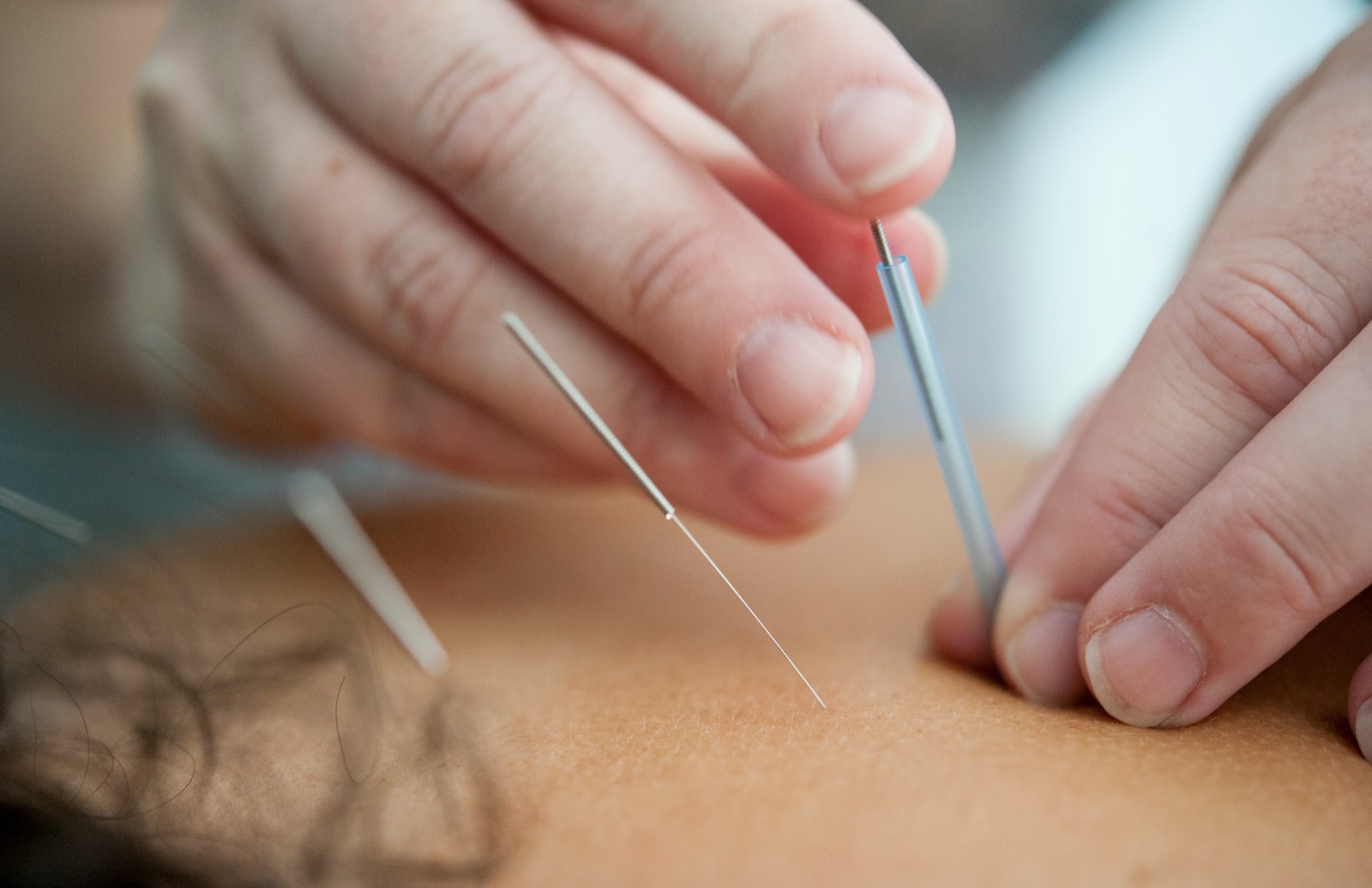
Routine acupuncture at a provincial public hospital, per session (Fujian, 2025)
CNY 70 (≈ USD 10)
Outpatient consultation at a Beijing public tertiary hospital, by physician grade
CNY 50–100 (≈ USD 7–15)
TCM visits in China in 2024 (NHC)
1.68 billion
Licensed TCM physicians in China (NHC, 2024)
971,000
What a TCM pain plan in China can include (prices: Fujian provincial price list, 2025; Beijing outpatient fees, 2019 reform)
| Part of the plan | What it is | Public hospital price |
|---|---|---|
| Consultation | Questions, tongue and pulse, pattern and plan | CNY 50–100 (≈ USD 7–15) by physician grade |
| Acupuncture | Fine needles at chosen points, sometimes with a mild current (electro-acupuncture) | CNY 70 (≈ USD 10) per session; 20–40% more with a senior physician |
| Tui na, cupping, moxibustion | Massage, suction cups and heat, often in the same visit | Priced per item; ask for an itemised quote |
| Herbal formula | Prescribed for your pattern by the physician | Depends on the formula and days prescribed |
| Qigong or Baduanjin | Gentle movement you can keep doing at home | Taught as part of the plan |
How it is done in China
A course of treatment, not a single session
For long-running pain, a TCM physician in a Chinese hospital usually combines acupuncture or electro-acupuncture with tui na, cupping or moxibustion, sometimes with a herbal formula, and adds gentle exercise such as qigong or Baduanjin. Treatment runs as a series of sessions, and the plan changes as your pain changes.
How TCM sees pain
Two people with the same back pain may get different treatment
TCM does not treat “back pain” as one thing. The physician asks what makes it better or worse, whether it is worse in the cold or the damp, how you sleep and digest, and reads your tongue and pulse. Pain described as cold and damp is treated differently from pain described as stagnation, so the points, techniques and herbs differ.
Alongside medical care
TCM works next to your pain doctor, not instead of them
In China, TCM for pain is used together with conventional treatment, and results differ from person to person. Bring your scans and medicines list. If pain comes with new weakness, numbness or loss of bladder or bowel control, see a doctor first. Tell both doctors about any herbs, because they can interact with medicines.
We handle the China part
An English-speaking coordinator from airport to aftercare
We book the hospital, meet you at the airport, arrange a hotel near the hospital, put an interpreter beside you at every appointment, help with WeChat and Alipay payment, translate your reports into English and stay in touch for follow-up after you fly home.
Common questions
Does acupuncture help with chronic pain?
In China, acupuncture is one of the most common hospital treatments for long-running pain, usually given as a course and combined with tui na, cupping or exercise. The physician chooses points for your pattern rather than only the painful spot, so plans differ between people, and so do results. It is used alongside your regular pain care, not as a replacement.
Does acupuncture help with chronic migraines?
Chinese hospitals use acupuncture for recurring headaches and migraine as a course of sessions, often with herbs or advice on sleep and diet. A TCM physician looks at where and when the headaches come and at your tongue and pulse, so two people with migraine may be treated differently. Results vary. Keep your neurologist or GP involved and do not stop prescribed medicines without asking them.
Does acupuncture help with sciatica or a herniated disc?
In China, acupuncture and electro-acupuncture are used for sciatica and disc-related back pain, often with tui na and gentle exercise, and alongside the orthopaedic or pain clinic. The plan depends on your pattern and on what your scans show, so bring them. Results differ from person to person. New leg weakness, numbness in the groin or problems with bladder or bowel control need a doctor straight away.
Is cupping effective for chronic pain?
Cupping is often used in Chinese hospitals for muscular and back pain, usually in the same visit as acupuncture or tui na rather than on its own. The physician decides whether it suits your pattern. It leaves round marks that fade over days. How much it helps varies, and it complements medical care rather than replacing it.
Can qigong exercises help with back pain?
Gentle qigong and Baduanjin are often taught in China as part of a pain plan, because you can keep doing them at home after treatment ends. Movements can be done slowly, seated or within a smaller range if they hurt. Results vary, and if your back pain is being treated by a doctor or physiotherapist, check with them which movements are safe for you.
Read more
- Acupuncture for Chronic Back Pain and Migraine: What to Expect
How Chinese hospitals use acupuncture, cupping and qigong for chronic back pain, migraine, sciatica and nerve pain, how TCM reads pain and what patients say.
USD amounts converted at about CNY 6.70 per USD (2026-10-07), for reference only. Foreign patients pay the full listed price.